🌀گزارش
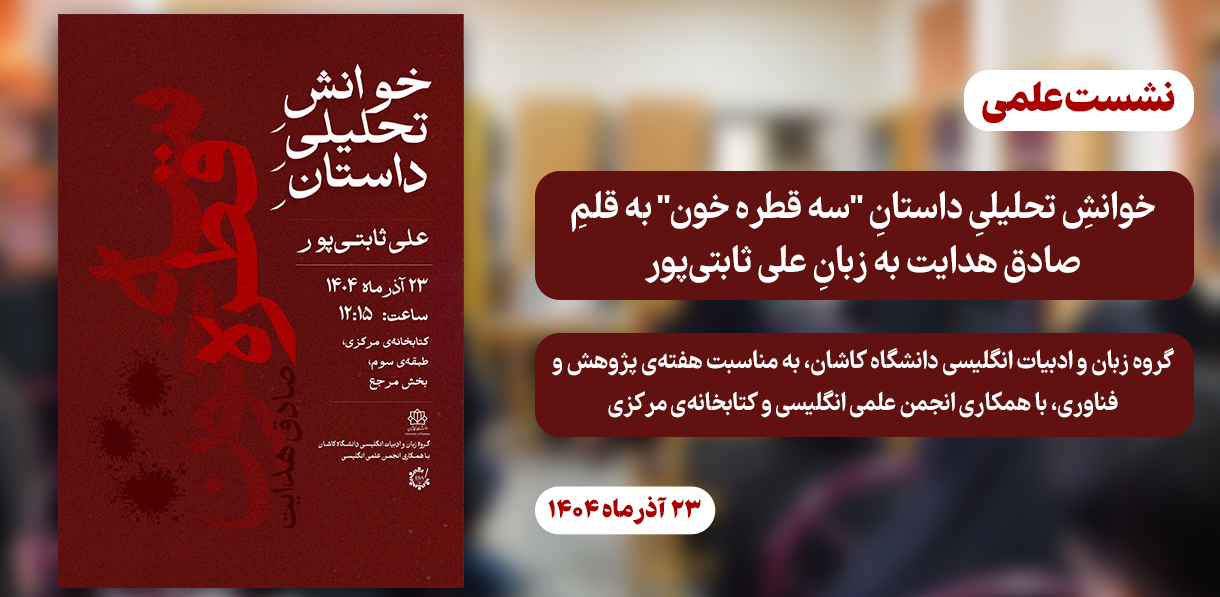
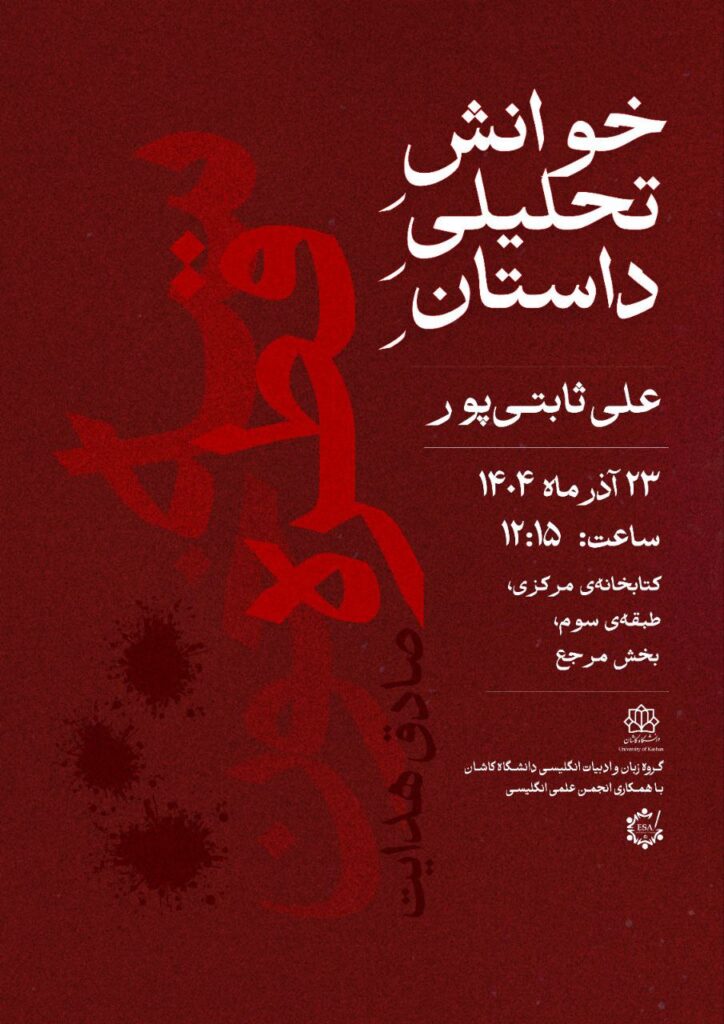
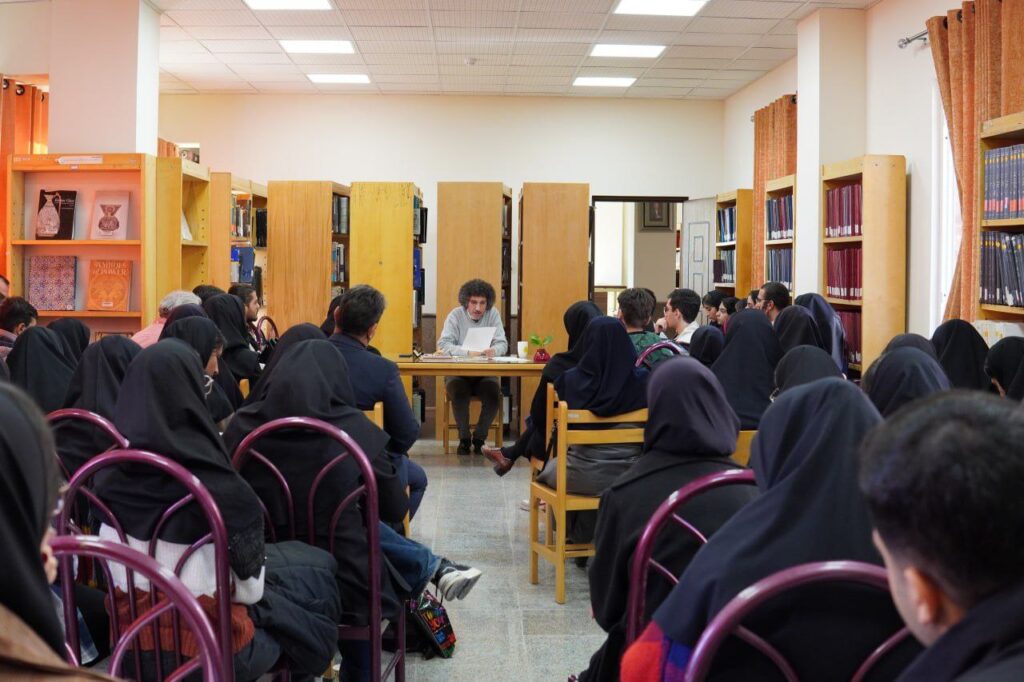
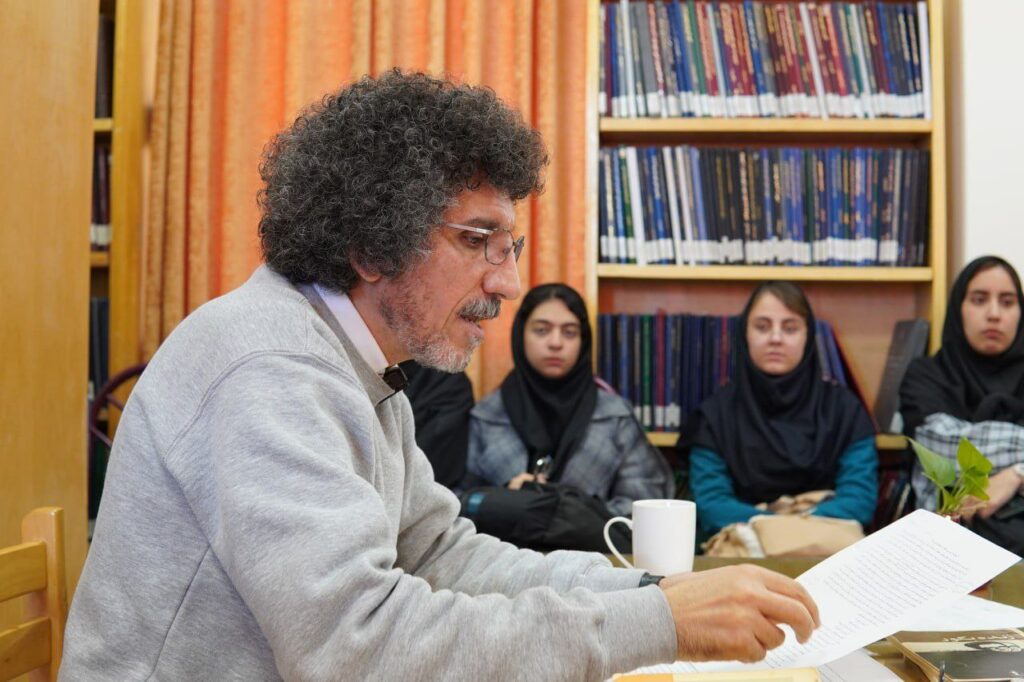
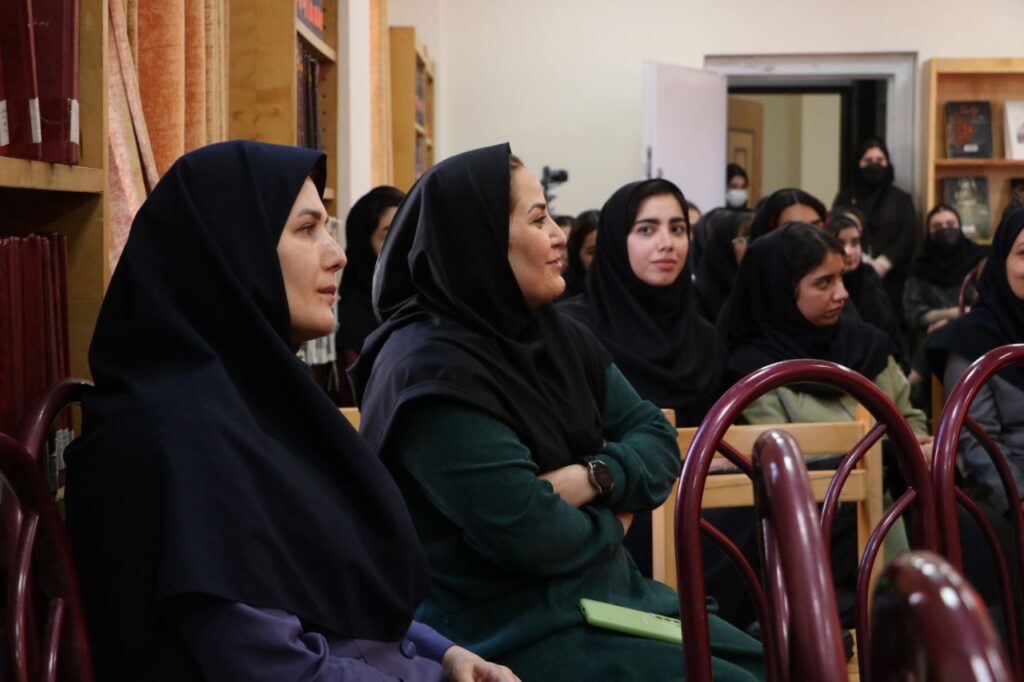
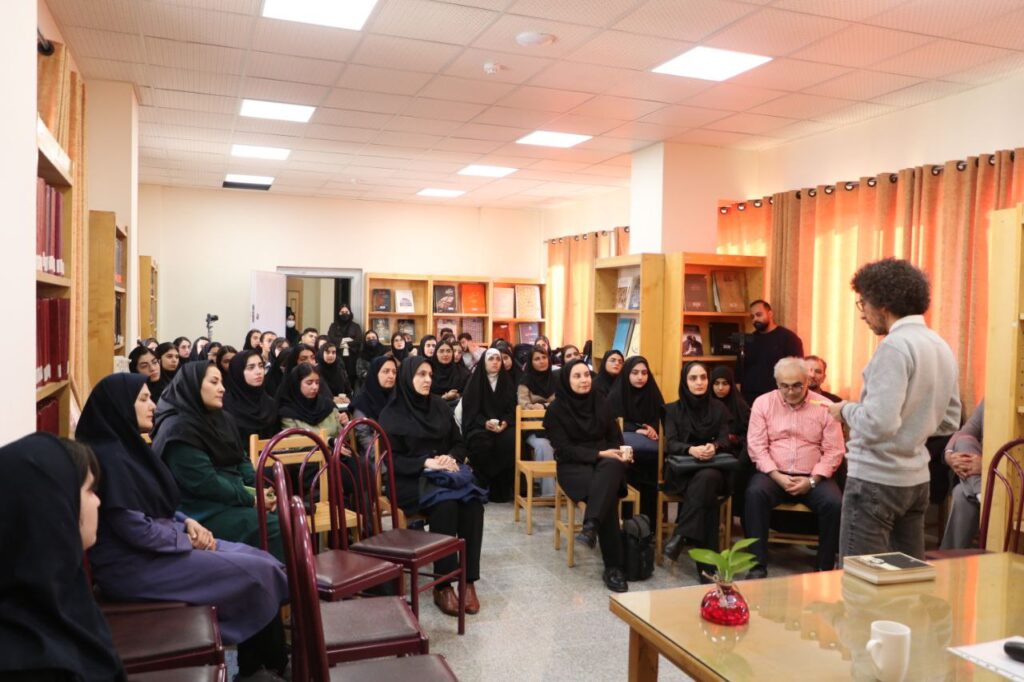
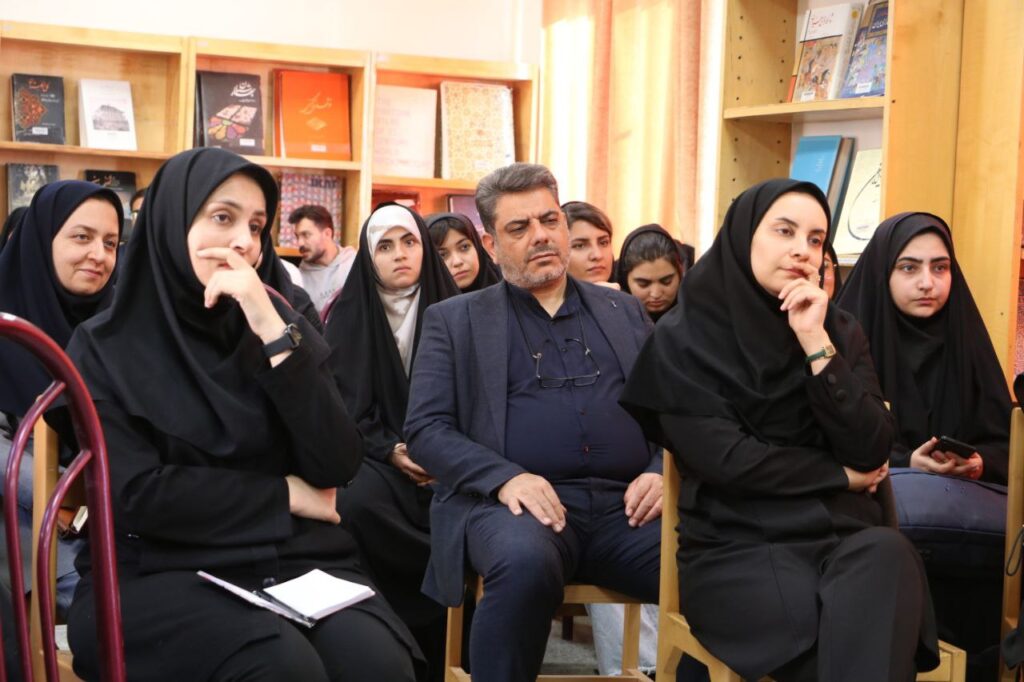
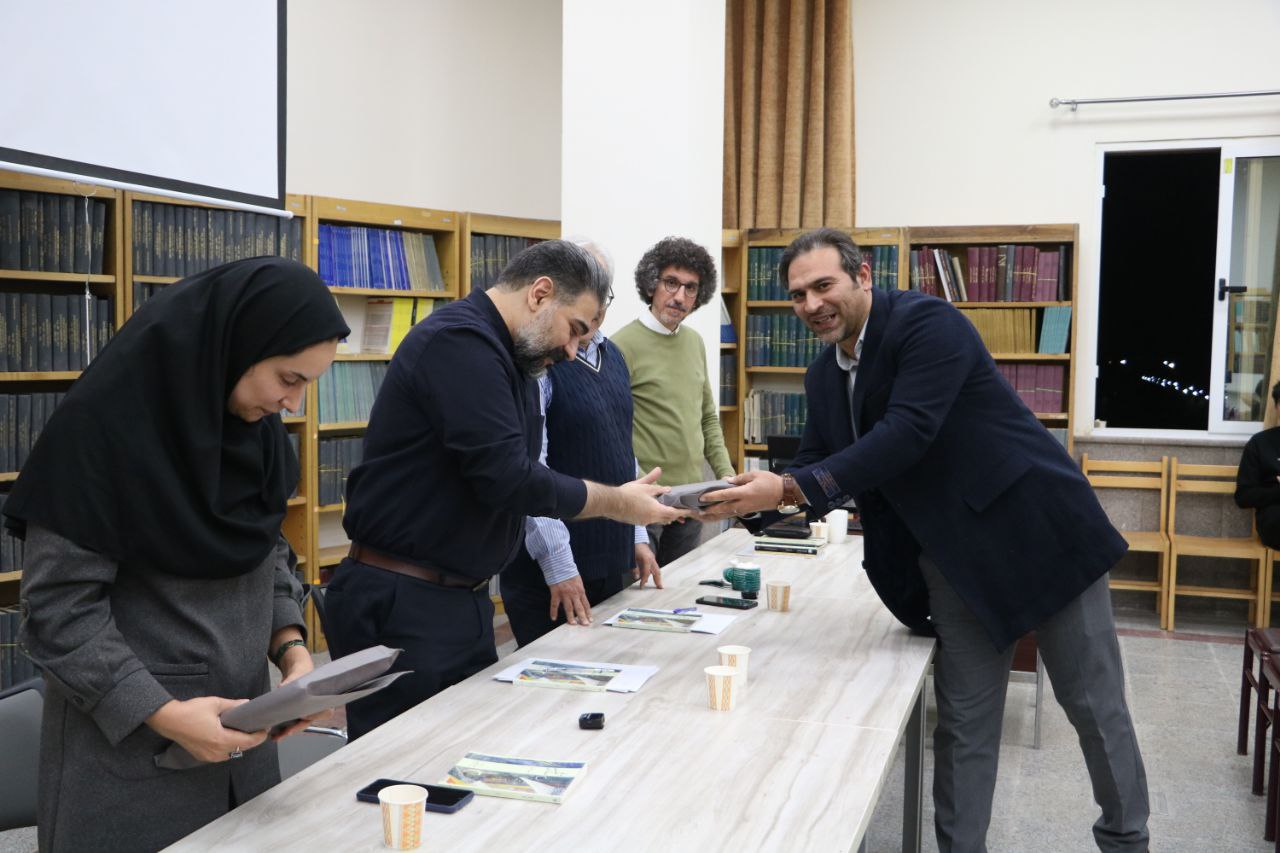
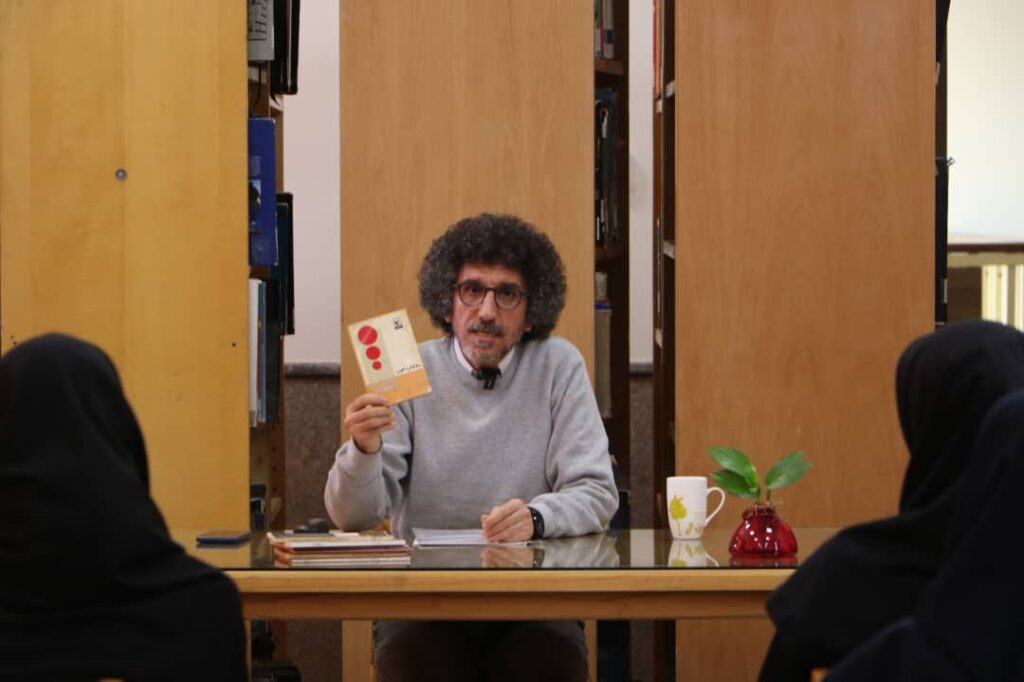
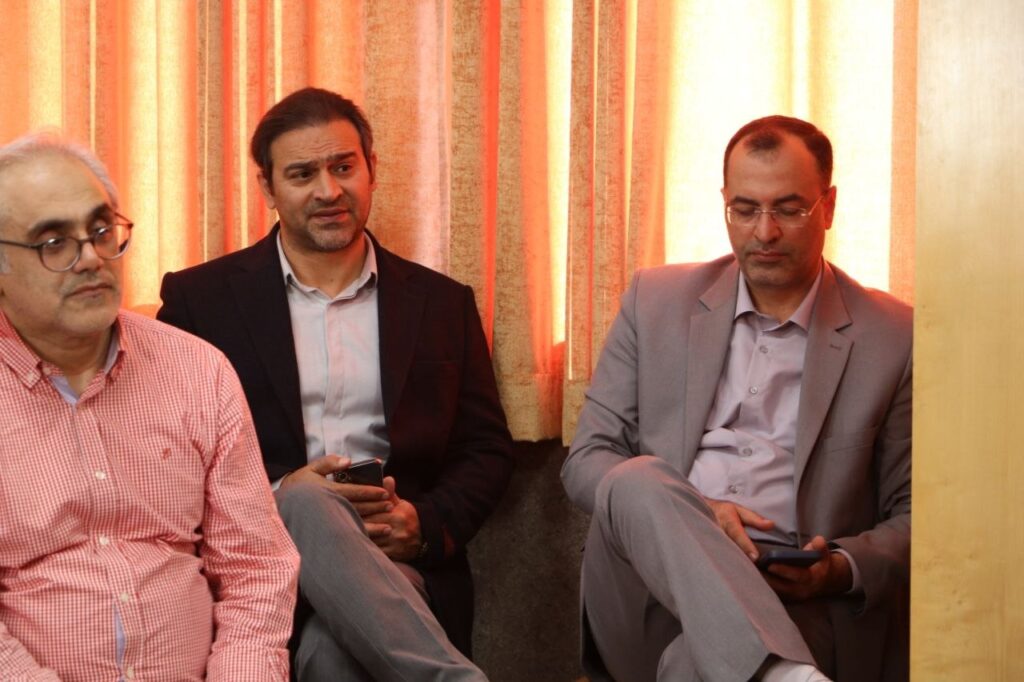
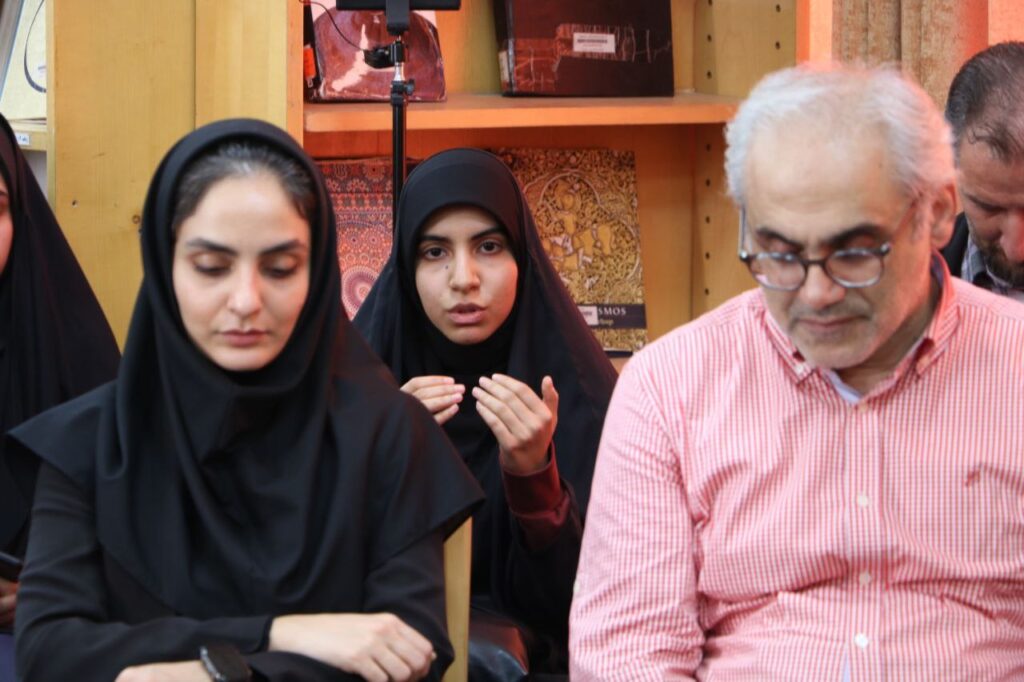
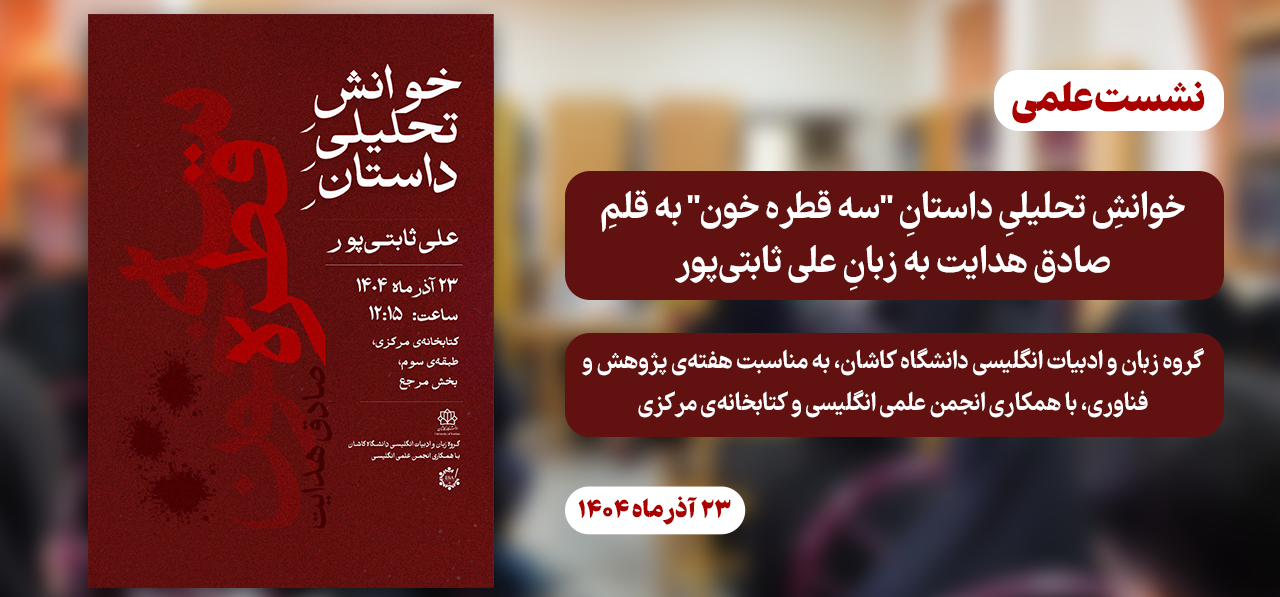
در تاریخ ۲۳ آذرماه ۱۴۰۴، همزمان با هفتهی پژوهش و فناوری، نشستی با عنوان «خوانش تحلیلی داستان سه قطره خون» توسط آقای علی ثابتیپور، عضو هیئت علمی گروه زبان و ادبیات انگلیسی دانشگاه کاشان، در محل کتابخانهی مرکزی دانشگاه کاشان و با حضور مدیر محترم کتابخانه، جمعی از اساتید و دانشجویان گرامی برگزار شد.
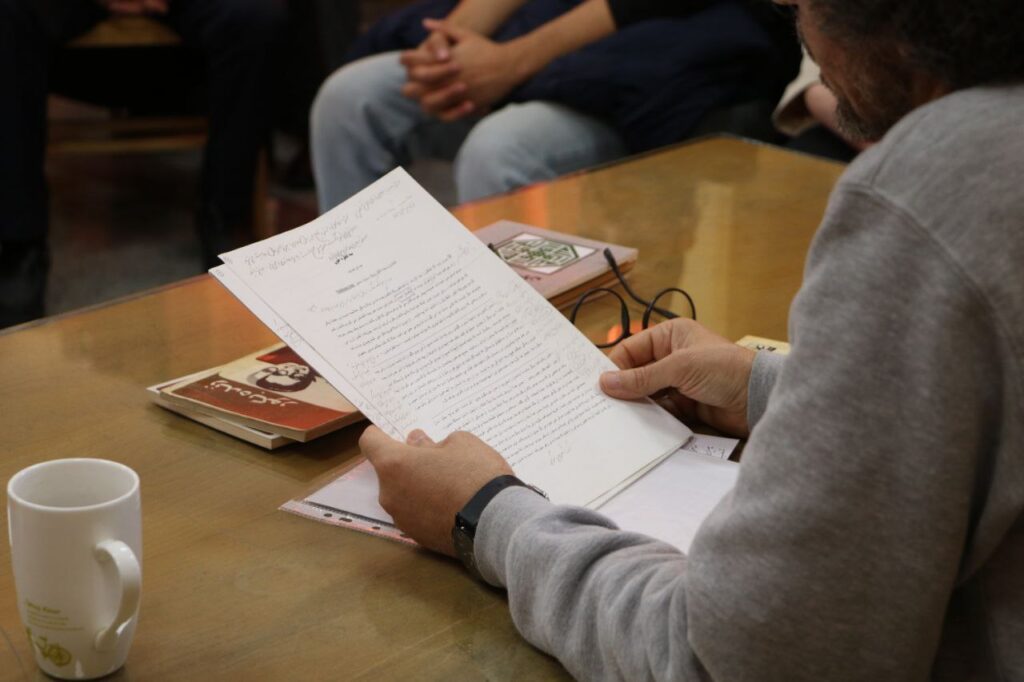
در ابتدا، آقای ثابتیپور ضمن ارائهی توضیح مختصری از زندگی، علایق و سلایق این نویسنده، به این نکته اشاره کردند که این کتاب و دیگر روانداستانهای صادق هدایت، از جمله «زنده به گور» و «بوف کور»، متفاوت از دیگر داستانهای او هستند و به ارتباط میان این سه اثر پرداختند.
در ادامه، حین خوانش بخش اول داستان، به برخی از سؤالات ابهامبرانگیز که داستان پیش روی خواننده میگذارد اشاره شد. خواننده در پایان نه تنها به پاسخ هیچیک از آنها دست پیدا نخواهد کرد، بلکه پس از خوانش چندبارهی داستان، تنها به عمق ناپیدای ابهام او دامن زده میشود و با سوالات بیپاسخ بیشتری مواجه میشود.
از دیگر موضوعاتی که در این نشست به آن پرداخته شد دوگانگیها و سهگانگیهای موجود در داستان است. بهعلاوه، به عکسبرگردانیهایی پرداختهشد که نویسنده برای آفرینش ارتباط، و شاید همپوشانی میان بخشها و شخصیتهای مختلف در داستان، از آنها بهره گرفتهاست.
در پایان، آقای ثابتیپور به ذهن مشوش راوی اشاره کردند که دایرهوار مشغول روایت این داستان است و سعی میکند واقعیت را طوری تفسیر و تعبیر کند که خود در دید خواننده تبرئه شود و دیگر شخصیتهای داستان گناهکار شناخته شوند؛ چرا که مرز میان “حق” و “ناحق” در آثار هدایت پررنگ است و روایت این داستان فرافکنیهای ذهنی پریشان است که سعی دارد خود را محق نشان دهد.
| انجمن علمی انگلیسی دانشگاه کاشان |
Report
On December 14, 2025, on the occasion of Research and Technology Week, a session titled “An Analytical Reading of Three Drops of Blood” was held and presented by Mr. Ali Sabetipour, a faculty member of the English Department at the University of Kashan.
At the outset, Mr. Sabetipour provided a brief overview of the author’s life, interests, and literary style and preferences. He explained that this work, along with other psycho-fictions by Sadeq Hedayat, such as “Buried Alive” and “The Blind Owl”, differs from his other stories. Subsequently, he discussed the connections between these three interrelated works.
As the first section of the story was read and analyzed, it was argued that this narrative is mainly composed of a series of ambiguous questions, none of which are answered by the end of the story. Rather, after re-reading the story for several times, the reader becomes increasingly aware of the depth of the ambiguities and faces many more unanswered questions.
One of the key topics discussed in the session was the use of pairs and triads within the story, as well as the mirror imagery employed by the author to create connections and overlaps between different sections and characters.
In conclusion, Mr. Sabetipour noted that the narrator’s agitated mind tells the story in a circular narrative style and attempts to construe and interpret the reality in a way that acquits himself in the eyes of the reader while casting the other characters as culpable. This feature is frequently observed in Hedayat’s works, where the binary of right and wrong is deeply emphasized. The narration of this story is a projection of a disturbed mind that constantly seeks to justify itself and appears as the “right” rather than the “wrong”.
 دانشگاه کاشان



0 دیدگاهها